
Blueberries
Please, review the information on the General Growing Tips page.
- Product
- Qty in Cart
- Quantity
- Price
- Subtotal
-
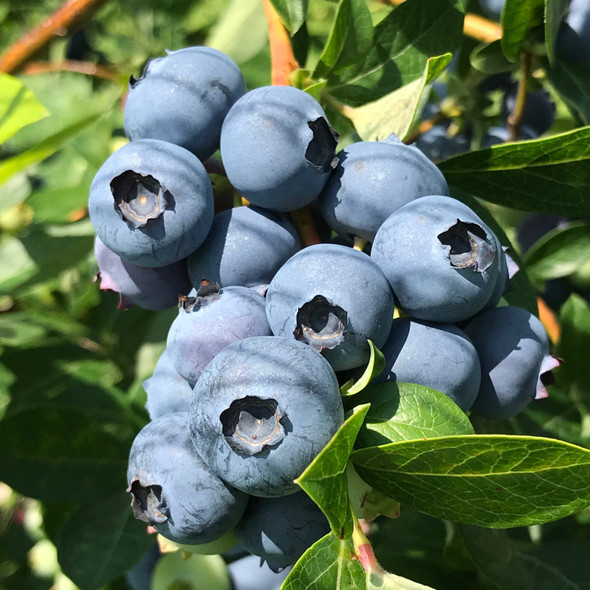
Unlabeled Blueberry
$19.99Blueberry bush- No label. Tissue cultured. Large leggie plant. Zone:5-8 Size: 1 Gallon<$19.99 -


Trellis Netting
$9.99 - $17.99Heavy-duty, tangle-free nylon netting is ideal for growing tomatoes, peas, and vining crops. Harvesting is easy with its large reach-through mesh. Lifetime gu$9.99 - $17.99 -


Heavy Duty Bird & Pond & Pool Netting
$9.99 - $69.99Stronger Netting for Bird protection. Keeps falling leaves out of ponds and pools, and protects goldfish and Koi from cats and other predators. Protective polypropylene floating net with UV inh$9.99 - $69.99 -
On Sale

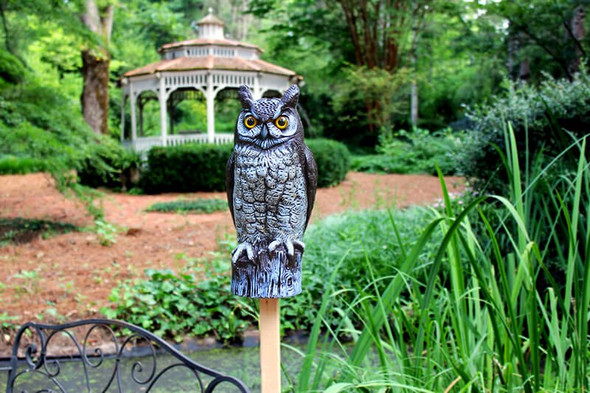
Great Horned Owl Natural Enemy Scarecrow®
Now: $16.99Was: $19.99Deters pests from yards & gardens. Life-like, Great Horned Owl helps repel birds and pests while adding charm. 16″ tall and hand-pNow: $16.99Was: $19.99 -
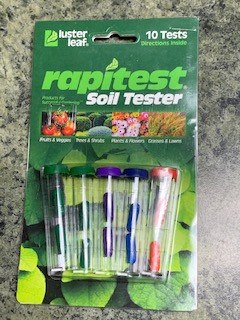

Rapitest Soil Tester, 10 tests
$7.99This Rapitest Soil Tester can be used for Fruits and Vegetables, Trees and Shrubs, Plants and Flowers, Grasses and Lawns. It isa very important what soil soil consist of. It will show Your Plant food...$7.99 -

Bird-X Protective Netting for Fruit & Vegetables
$14.99 - $44.99Bird-X Protective Netting for Fruit & Vegetables Protects fruit and berries from thieving birds and other garden pests. Durable 3/4" polypropylene mesh with UV inhibitors. Easy to use.$14.99 - $44.99 -
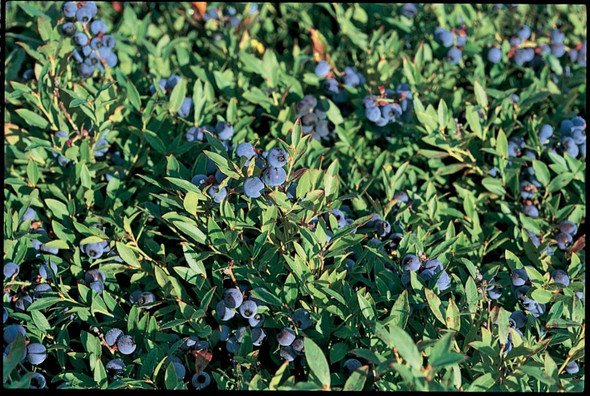
Vaccinium Angustifolium Wild Lowbush Blueberry
$24.99 - $26.99Vaccinium Angustifolium is Native to the NE United States. Blueberries are similar to those found in Maine! Delicious blueberry fields. Deciduous. White flowers in May followed by sweet, edible...$24.99 - $26.99 -

Legacy Blueberry
$29.99 - $39.99Legacy (northern highbush): was developed by the USDA Research Station in NJ. It keeps its leaves through the winter in milder climate zones staying evergreen. Large clusters of...$29.99 - $39.99 -

4- Southern Package Rabbiteye Plants
$119.994 Rabbiteye Southern Delicious Package: 2-Prince 2-Tifblue$119.99 -
 $32.99 - $39.99
 -
On Sale
 Now: $16.99Was: $19.99
 -

Polaris Blueberry
$29.99Polaris is a half-high blueberry bush. The berries ripen in the early part of the blueberry harvest season. This bush will yield 4 to 7 pounds of berries per year. The size of the berries is medium-...$29.99
Premium Blueberry Bushes for Every Hardiness Zone
Experience the satisfaction of picking sun-ripened berries right from your backyard with our extensive collection of premium blueberry bushes. Our nursery offers a spectrum of flavor profiles, from the intensely sweet Northern Highbush to the complex, tart notes of Rabbiteye varieties. With options for early, mid, and late-season harvests, you can curate a garden that provides fruit for fresh eating, baking, and preserving all summer long. Whether you are looking for high-yield commercial cultivars or compact bushes for patio containers, we have the perfect plants to thrive in your specific climate.
Collection Highlights
| Variety/Type | Harvest Season | Flavor/Characteristics |
|---|---|---|
| Northern Highbush | Mid-Summer Harvest; Sweet & Crisp Flavor | Best for Cold Climates (Zones 3-7) |
| Southern Highbush | Early Season Harvest; Sweet & Juicy Flavor | Low Chill Requirement (Zones 7-10) |
| Rabbiteye | Late Season Harvest; Robust Sweet-Tart Flavor | High Heat & Pest Resistance |
Growing Information
| Specification | Range in Collection |
|---|---|
| Hardiness Zone Range | Zones 3 - 10 |
| Soil pH Requirement | 4.5 - 5.5 (Acidic) |
| Chill Hour Requirement | 150 - 1200 Hours |
| Sun Exposure | Full Sun (6-8 Hours) |
Who Is This Collection For?
- Home Gardens: Perfect for establishing a perennial food source in backyards with acidic soil.
- Container Gardening: Many varieties, especially 'Half-High' types, thrive in pots on patios or balconies.
- Edible Landscaping: Blueberry bushes offer seasonal interest with spring flowers, summer fruit, and fiery autumn foliage.
Top Performers in this Category
- Northern Blueberries - Cold-hardy varieties ideal for cooler climates with high chill hours.
- Southern Blueberries - Heat-tolerant varieties bred for warmer regions with lower chill requirements.
You May Also Like
- Soil Moisturizer- Garden Saver - Essential for maintaining the consistent moisture blueberries require.
- Bird Supplies/Protection - Protect your harvest from birds with netting and deterrents.
- Honeyberries - Haskap - An excellent companion crop that fruits even earlier than blueberries.
At Berries Unlimited, we are dedicated to your growing success. All our blueberry bushes are tissue-cultured and virus-indexed to ensure you receive the healthiest, most vigorous plants possible. Browse our Northern and Southern collections to find the varieties that match your zone and taste preferences, and start growing your own antioxidants today.
Frequently Asked Questions
Q: What is the difference between Highbush and Rabbiteye blueberries?
A: Highbush blueberries (Northern and Southern) are generally self-fertile (though they yield better with cross-pollination) and are known for their large, high-quality fruit. Northern Highbush are best for colder climates (Zones 3-7), while Southern Highbush are bred for low-chill areas (Zones 7-10). Rabbiteye blueberries are native to the American South, are generally more vigorous, heat-tolerant, and require cross-pollination with another Rabbiteye variety to set fruit.
Q: Do I need to check my soil pH before planting blueberries?
A: Yes, absolutely. Blueberries are acid-loving plants that thrive in a soil pH between 4.5 and 5.5. If your soil pH is too high (alkaline), the plants cannot absorb iron, leading to yellowing leaves (chlorosis) and poor growth. We recommend testing your soil and amending it with elemental sulfur or peat moss to lower the pH before planting.
Q: How many blueberry bushes should I plant for pollination?
A: While many Highbush varieties are self-pollinating, planting at least two different varieties that bloom at the same time will significantly increase berry size and overall yield. For Rabbiteye varieties, cross-pollination is mandatory; you must plant at least two different compatible varieties to get fruit.
Q: What are 'Chill Hours' and why do they matter?
A: Chill hours refer to the number of hours between 32°F and 45°F that a plant accumulates during the winter dormancy period. Blueberries need this dormancy to reset for spring growth. If you choose a variety with a high chill requirement (e.g., 800 hours) and plant it in a warm zone that only gets 300 hours, the plant will not bloom or leaf out properly. Conversely, a low-chill variety in a cold zone may bloom too early and get damaged by frost.